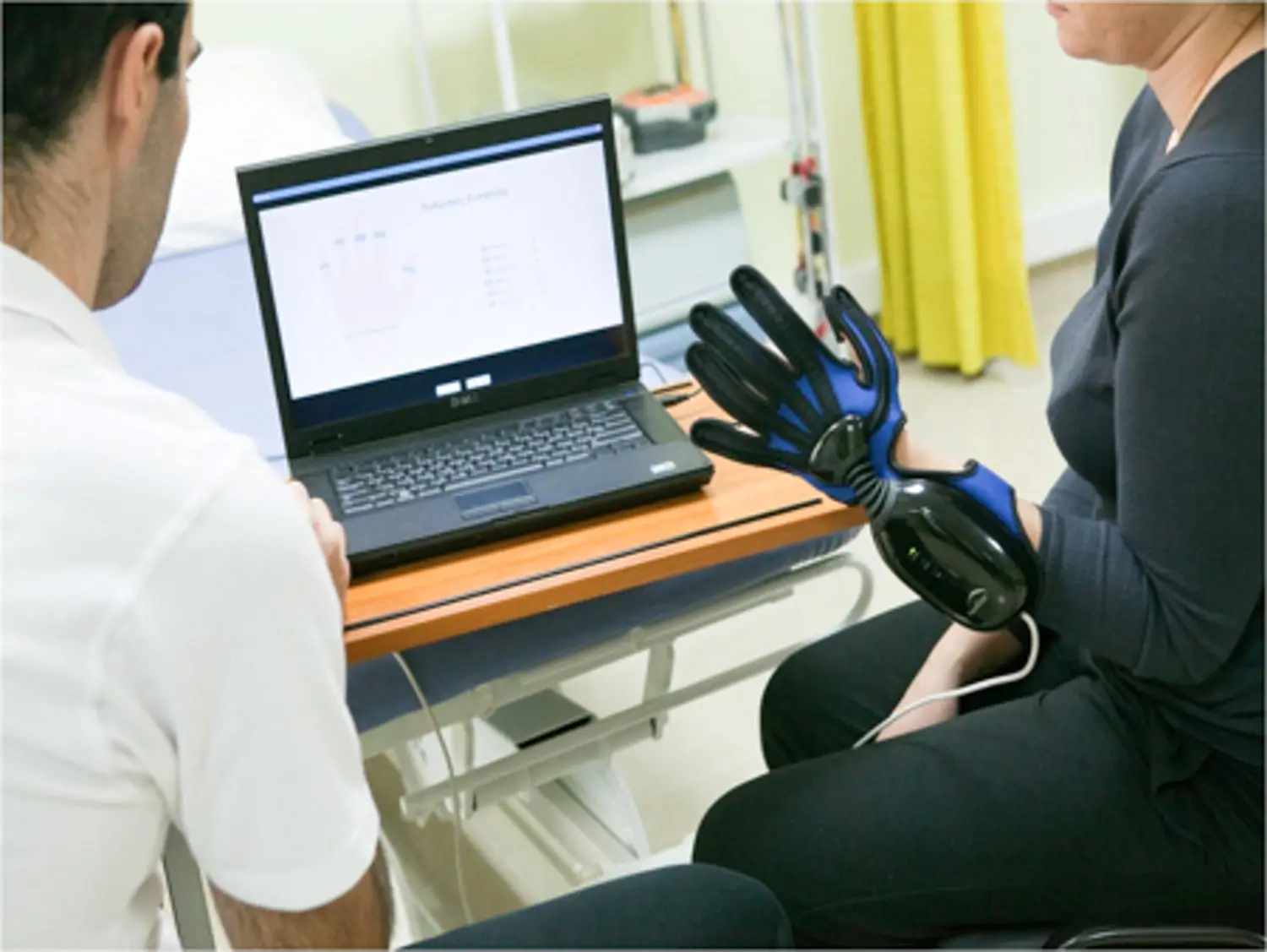
Traumatic brain injury rehabilitation
Traumatic brain injury is one of the most variable presentations in rehabilitation. Two people with apparently similar injuries can recover along entirely different paths. Our TBI programme is built around individual goal-setting, intensive therapy, and one physician owning the case from admission to discharge.
Physiotherapy and occupational therapy
Speech and language therapy
Neuromodulation (HD-tDCS, Photobiomodulation)
Hydrotherapy
Specialist rehabilitation after traumatic brain injury
In plain language
Traumatic brain injury is damage to the brain caused by an external force, most often a fall, a road traffic collision, or a sporting injury. Effects depend on the location and severity of the injury and can include physical weakness, cognitive changes (memory, attention, executive function), behavioural and emotional changes, fatigue, sleep disturbance, and changes in vision or hearing.
Why specialist rehabilitation matters
TBI recovery benefits from sustained, structured, high-volume rehabilitation that addresses the physical, cognitive and emotional sequelae together. Sequenced poorly, recovery plateaus early. Sequenced well, patients often continue to make functional gains for years.
The Evexia Plus approach
- Daily physiotherapy and occupational therapy targeted to functional goals.
- Neuropsychological assessment on admission, with cognitive rehabilitation, attention and memory training, and behavioural strategies.
- Speech and language therapy where communication is affected.
- Family education, including how to support cognitive and behavioural changes at home.
- Neuromodulation (HD-tDCS, Photobiomodulation) used adjunctively where indicated.
- Hydrotherapy in our three-pool complex.
- Indicative length of stay: four to twelve weeks depending on severity and goals.
Suitability
We accept patients medically stable enough for active rehabilitation, including those with persistent vegetative or minimally conscious states for assessment and protocol-led emergence work. Multi-trauma patients with co-occurring orthopaedic injuries are accepted; the orthopaedic team is involved from admission.
Linked services
- Physiotherapy & Robotics
- Psychology & Neuropsychology
- Speech & Swallowing
- Occupational Therapy
- Neuromodulation
- Hydrotherapy
Cost
Cost is discussed individually. See How It Works for the categorical breakdown of what is reimbursable by the HSE under the Cross-Border Directive. Speak with our Irish team for a personalised estimate.
Brain injury recovery is a long road. It should not begin in a queue.
Tell us where your family member's recovery stands today, and we will tell you honestly what an intensive programme could add.